
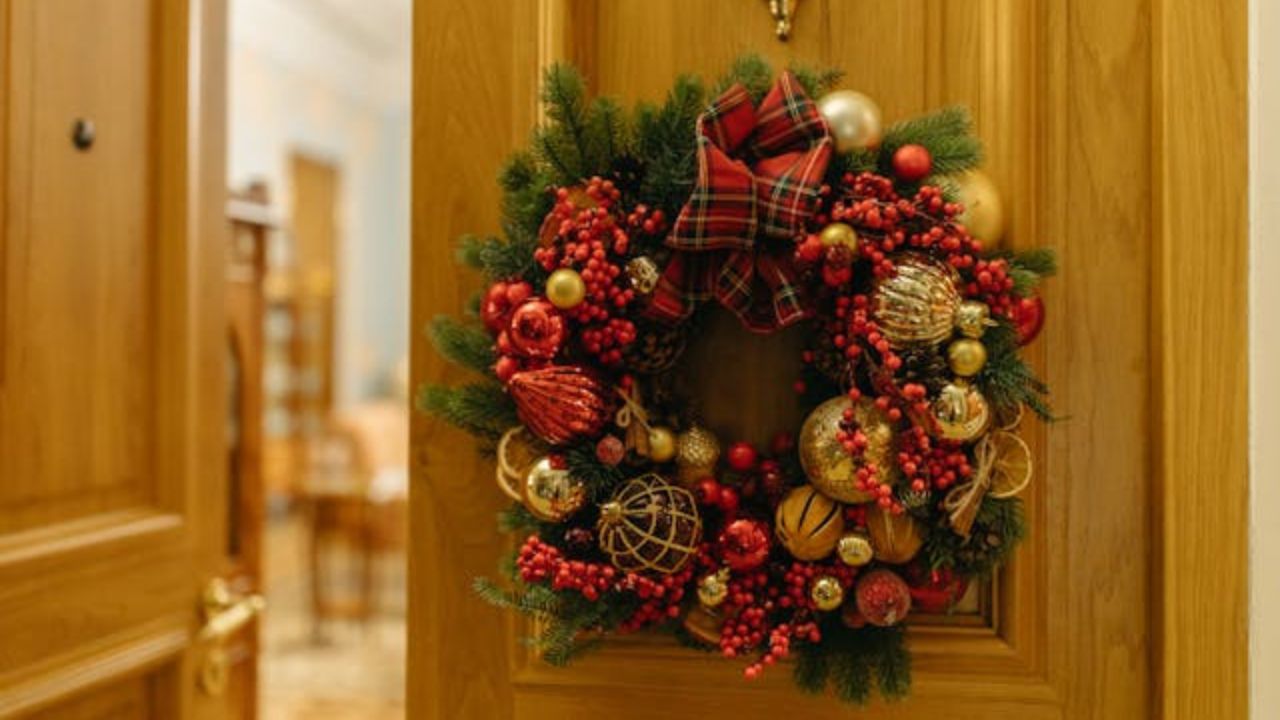
Decorating the house for Christmas is, for many, one of the most special moments of winter. Twinkling lights, sentimental ornaments and handmade pieces create a cozy atmosphere capable of transforming any space into a festive retreat.
+ The best minimalist Christmas decor comes straight from the garden
Among these holiday elements, foliage plays an essential role — whether in lush garlands, fragrant wreaths or traditional evergreen trees.
However, just as with some houseplants, certain species typical of this season can pose serious risks to pets.
According to veterinarian Lizzie Youens, consulted by House Beautiful, it is essential to pay extra attention to seven plants widely used during the holidays that are extremely toxic to dogs and cats. This does not mean you must eliminate poinsettias, holly or mistletoe completely — but caution is indispensable, especially in homes with curious pets.
Below are the festive plants that require extra care this season:
1. Holly
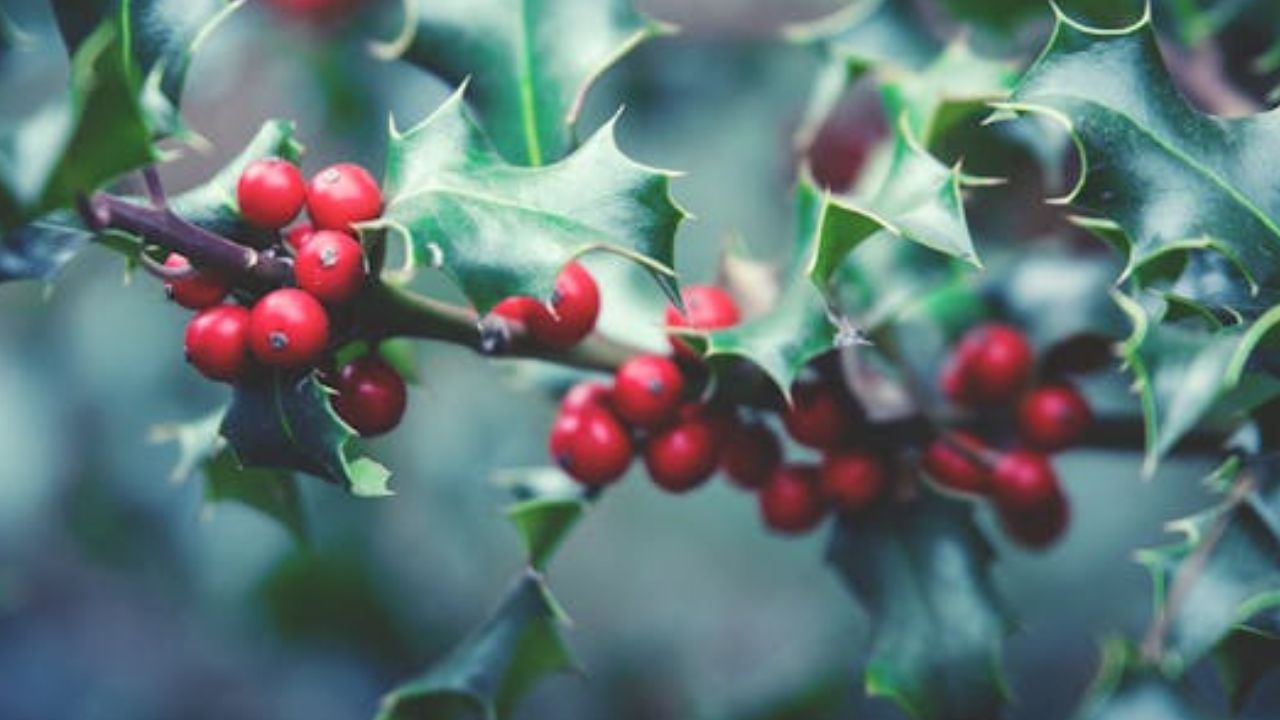
A Christmas classic, holly is beautiful but dangerous. Its berries and leaves can cause mouth irritation, cuts in the throat and gastrointestinal issues in both humans and animals. In pets, ingestion may cause significant discomfort.
Constant hydration is recommended if your pet accidentally comes into contact with the plant, helping the body flush out toxins and preventing a veterinary emergency.
2. Autumn crocus
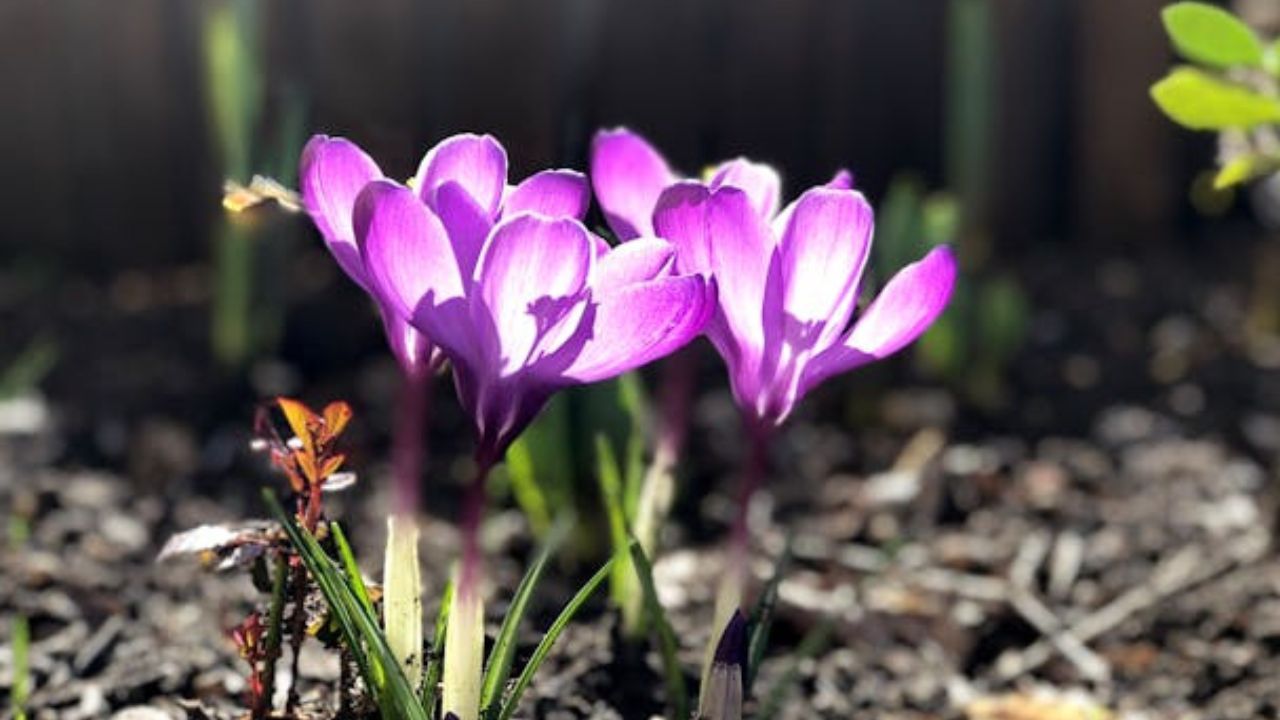
Despite its charm of blooming in cold temperatures, the autumn crocus contains colchicine, a highly toxic alkaloid.
In pets, it can cause severe gastrointestinal symptoms, liver and kidney damage, respiratory failure and even neurological complications. Ideally, keep dogs and cats far from these purple flowers during winter walks.
3. Amaryllis
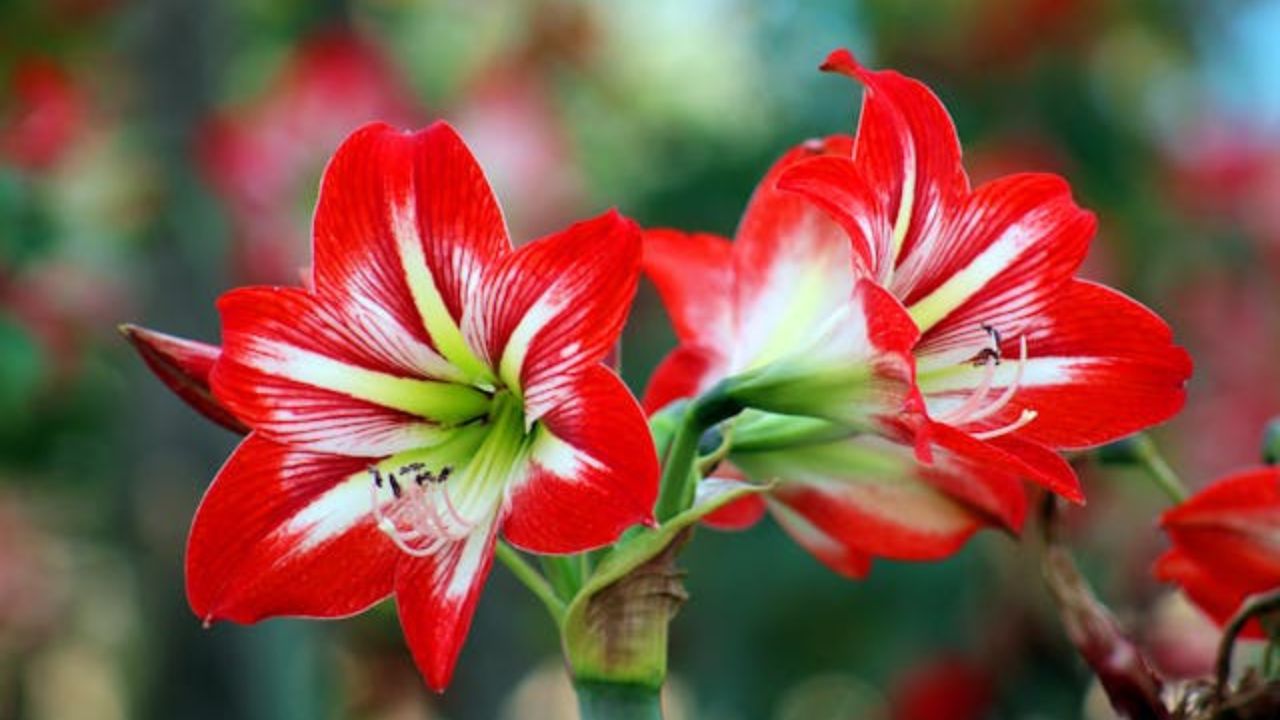
Very common in Christmas arrangements and gifts, amaryllis is stunning — and dangerous.
“Both the bulb and the flowers contain toxins, such as lycorine, which are highly harmful to animals,” Youens told House Beautiful.
Symptoms of ingestion include:
- Vomiting
- Abdominal pain
- Excessive drooling
- Tremors
- Lethargy
- Low blood pressure
- Seizures in severe cases
4. Ivy
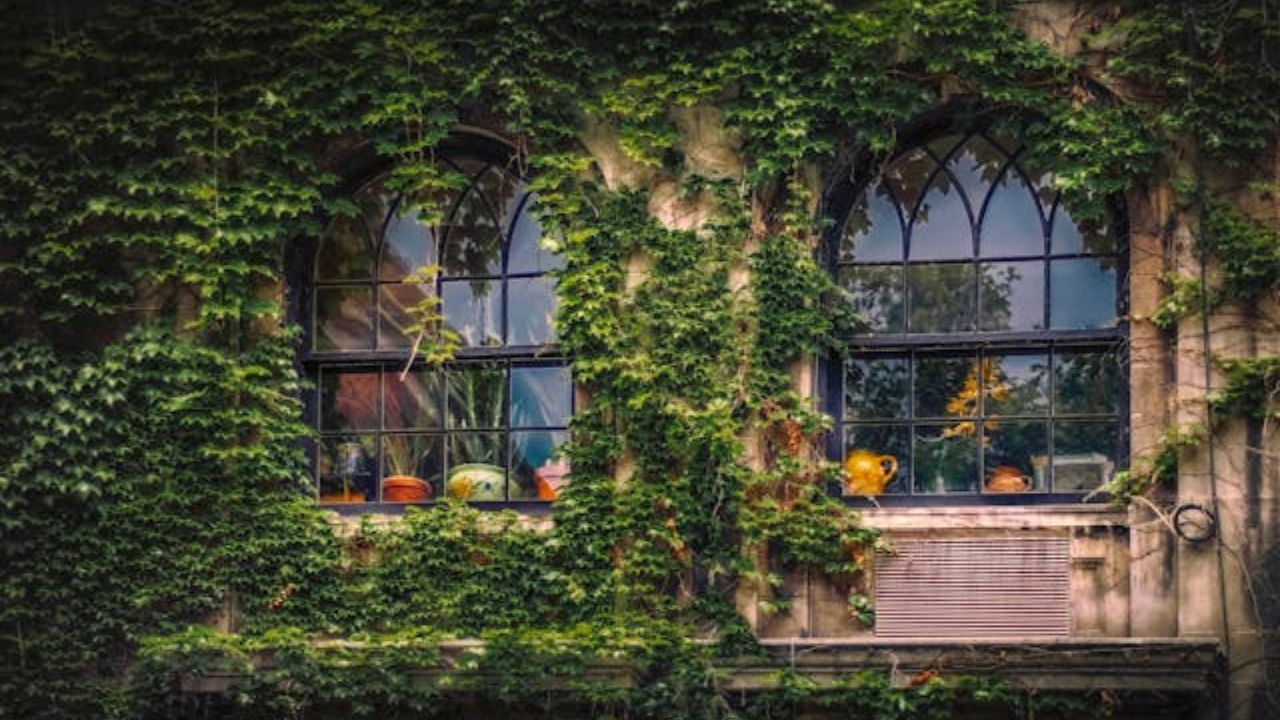
Although ivy poisoning is rarely fatal, it should not be underestimated.
Ingestion can lead to skin rashes, gastrointestinal distress and intense stomach pain.
If you love the look of ivy in holiday décor, the recommendation is clear: choose artificial versions.
5. Yew
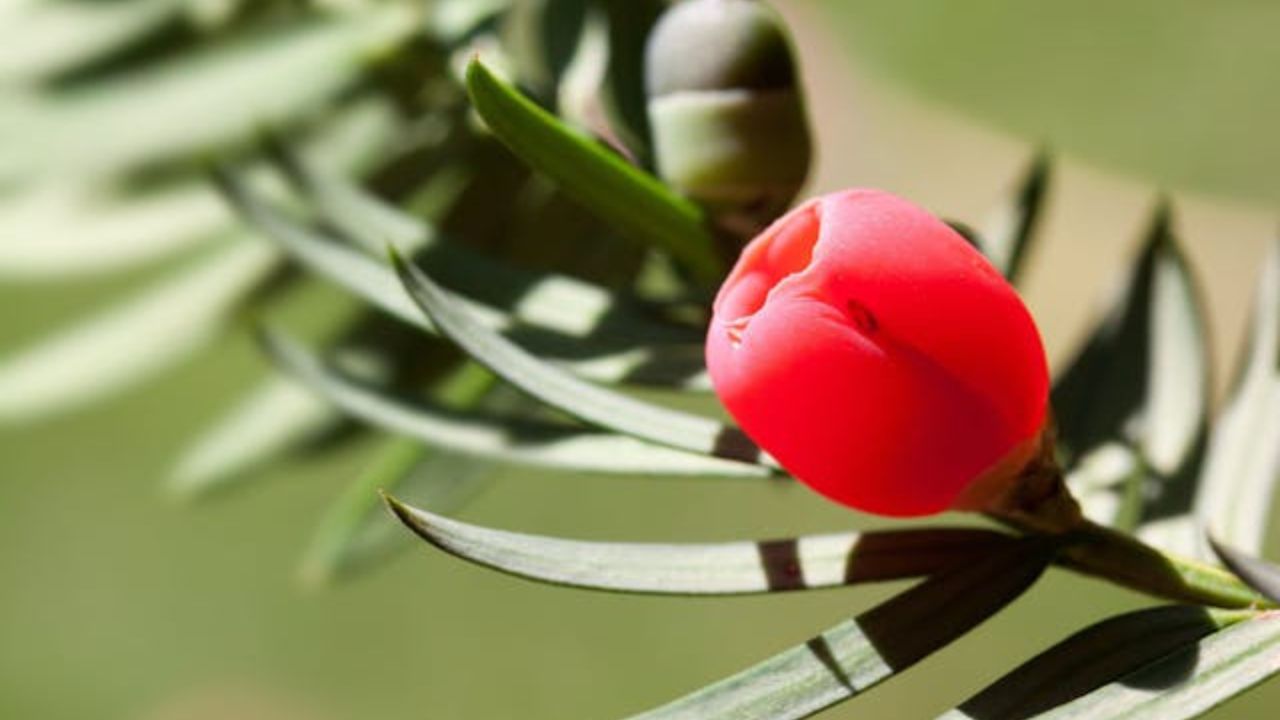
One of the most dangerous plants on the list.
Just a small bite can cause severe muscle weakness, respiratory problems and even sudden cardiac arrest in animals. The bright red berries, often used decoratively, are especially tempting for pets and children.
Yew is equally toxic to humans, requiring extreme caution when handling and positioning it.
6. Poinsettia
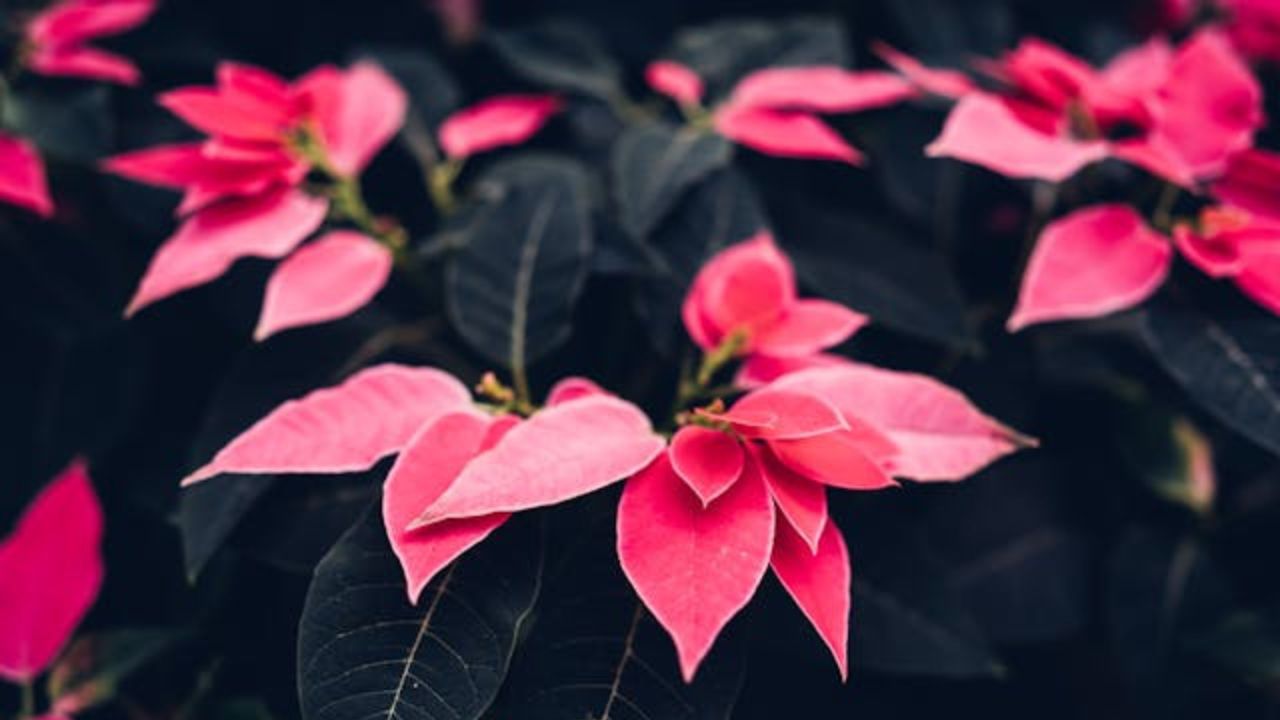
The traditional Christmas star is not as harmless as it seems.
Almost every part of the plant is toxic. The white sap can cause irritation and, when ingested in large quantities, leads to vomiting, excessive drooling and lethargy.
Even so, small exposures usually result in mild symptoms — but keep the plant away from curious pets.
7. Mistletoe
A classic holiday symbol, mistletoe is usually hung out of reach — but climbing cats are an exception.
Ingestion may cause:
- Nausea
- Vomiting
- Diarrhea
- Hallucinations
- Severe reactions in humans and animals
Touching it is safe, but ingesting it is never an option.
Festive plants are part of the magic of Christmas, but their beauty can hide serious dangers for pets. Experts are clear: keep toxic plants out of reach and, when possible, opt for artificial versions.
This way, you ensure a beautiful, safe home ready to celebrate the season — without risks to your beloved four-legged friends.
Source: House Beautiful. This content was created with the help of AI and reviewed by the editorial team.
